
The Bachelor in Secondary Education (BSEd) majoring in English is a program at the undergraduate level that aims to train upcoming educators to teach English language and literature subjects in secondary schools. The program emphasizes both theoretical understanding and practical abilities, preparing students to create teaching approaches that cater to a variety of learners. Students receive instruction in linguistics, literary analysis, language teaching strategies, assessment techniques, and classroom management. They are being introduced to current educational practices, like utilizing technology, providing individualized instruction, and promoting inclusivity. The program improves students' communication skills, critical thinking, and problem-solving capabilities as well. The program offers abundant teaching practicum or internship opportunities, enabling aspiring educators to acquire practical experience in classroom environments. Graduates will be prepared to provide interesting, diverse, and organized English classes, aiding in the academic achievement of their students.
Vision
The Teacher Education program is a leading provider of teachers with eclectic teaching expertise for diverse local and global needs.
Mission
The Teacher Education Program as the foundation of pedagogical knowledge is committed produce globally competitive graduates imbued with moral and spiritual values who can respond to the changing needs of the time
Goals
The Bachelor of Secondary Education major in English program aims to develop competent, innovative, and values-driven secondary school English teachers who are equipped with the knowledge, skills, and professional dispositions necessary to foster effective communication, critical thinking, cultural awareness, and lifelong learning among diverse learners.
Demonstrate professional competence and ethical responsibility by mastering subject matter, staying updated with field developments, and upholding service orientation and cultural values.
Communicate and collaborate effectively in both English and Filipino, working independently or with diverse, multi-disciplinary, and multi-cultural teams.
Innovate and facilitate meaningful learning by designing effective curricula, using varied teaching methodologies, and grounding education in philosophical, socio-cultural, historical, and psychological contexts
Program Educational Objectives (PEO)
The BSEd program aims to produce secondary teachers who have the ability to:
PEO1 Show a broad and current understanding of different subjects in the secondary education curriculum by participating in scholarly research activities and making the most of opportunities for continuous learning throughout life.
PEO2 Offer valuable learning experiences to secondary students by integrating innovative educational technologies for effective and high-quality teaching, while fostering an environment that promotes positive social interactions, active participation, and self-motivation.
PEO3 Exhibit proficiency in teaching and assessment by designing, adapting, and utilizing teaching strategies, instructional resources, and evaluation tools that align with the cognitive, emotional, and physical development of secondary students.
PEO4 Adhere to the professional code of ethics for teachers and embrace the significance of ongoing professional growth, while fostering collaborative and harmonious relationships with all members of the academic community.
PEO5 Build lasting partnerships and connections with the professional community, offering support to underserved, disadvantaged, illiterate, and less skilled individuals through outreach programs and community service initiatives.
Program Learning Outcomes (PLO)
Graduates of the BSEd English program are expected to:
PLO1 Demonstrate advanced competence in oral and written English for effective communication in diverse academic and social contexts.
PLO2 Apply in-depth knowledge of English language systems (linguistics, literature, communication, and writing) and their interrelationships to teach secondary school learners.
PLO3 Design, implement, and evaluate effective, learner-centered instructional plans that promote critical thinking, creativity, and communication skills.
PLO4 Develop and adapt English curricula and learning resources aligned with national and global standards to meet the needs of diverse learners.
PLO5 Select, develop, and utilize appropriate assessment tools and strategies to measure and support student learning in English.
PLO6 Incorporate ICT and emerging technologies to enhance the teaching and learning of English.
PLO7 Conduct action research and apply innovative strategies to improve English teaching practices and student outcomes.
PLO8 Uphold professional standards and ethical principles in all teaching and learning contexts, serving as a role model for students and peers.
PLO9 Engage in continuous professional development, reflective practice, and scholarly pursuits to remain responsive to the evolving needs of English language education.
PLO10 Build partnerships with stakeholders and participate in outreach programs to promote literacy and language development in the community.
Program Structure
Total Credit Units: 174 units
General Education Courses: 36 units
Professional Education Courses: 42 units
Major Courses: 66 units
Elective: 6 units
Mandated Courses (PATHFit, NSTP): 14 units
Institutional Courses: 10 units
Accreditation
ACSCU-ACI - Level III
Careers
The Bachelor in Secondary Education Major in English program prepares graduates for various roles in education, especially at the secondary level. They can work as English teachers, curriculum specialists, content developers, authors, tutors, researchers, consultants, material designers, school directors, and trainers. Graduates guide students in language and literature, improve communication skills, and deliver engaging lessons for diverse learners. Those interested in writing and publishing can create educational materials and offer personalized instruction. Through educational research, graduates explore teaching trends and student behaviors, shaping future practices and policies. They can also serve as consultants, overseeing educational institutions. As trainers, they provide professional development for teachers, enhancing their skills and use of technology to contribute to the educational community and society.
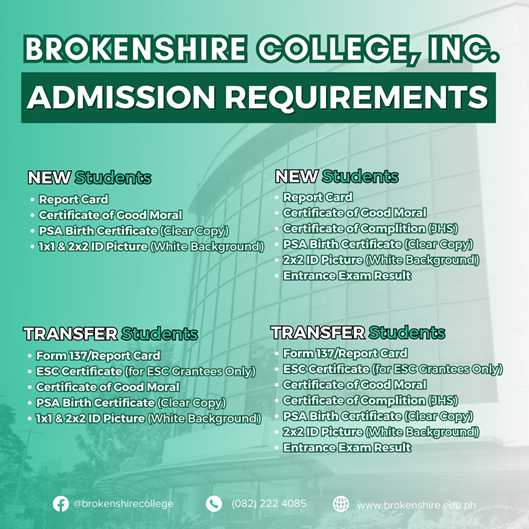
Admission Requirement